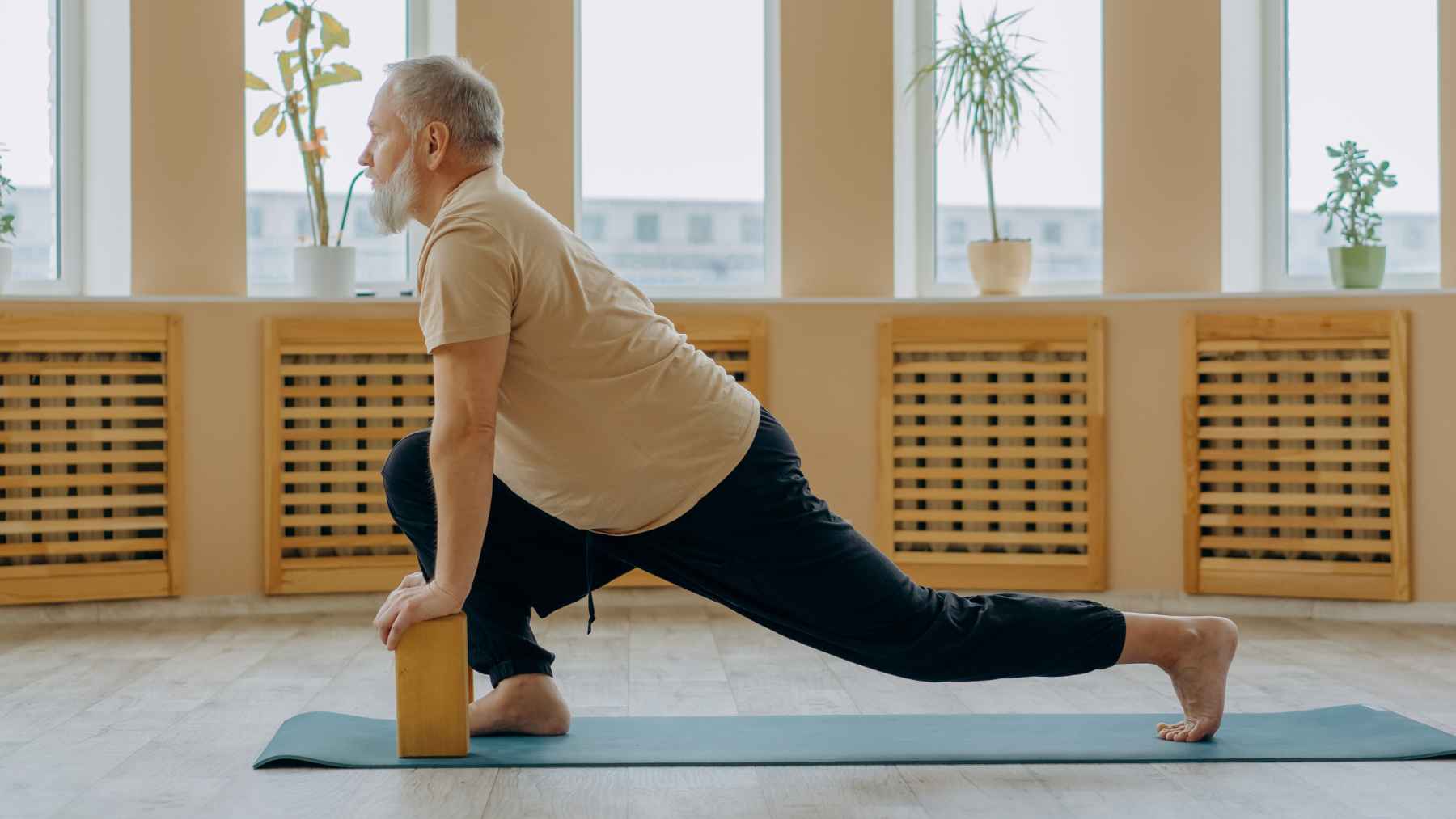
Rolling out your yoga mat and sweating it out may be one of the most effective ways to finally get a decent night’s sleep.
A new analysis of 30 clinical trials shows that certain doses of high-intensity yoga work better than walking, strength training, and some other forms of training for people who already suffer from sleep disorders.
Instead of another sleepless night staring at the ceiling or scrolling through your phone, a few short yoga sessions each week might help you switch off your brain and body. Although researchers caution that not everyone will see the same results, the findings show that yoga is a surprisingly powerful tool for long-term sleep improvement.
What a new sleep study actually revealed
The new study, led by Li Li and colleagues at China’s Harbin Sports University, compiled data from 30 randomized controlled trials involving 2,576 people diagnosed with sleep disorders in more than a dozen countries.
The research team used a technique called network meta-analysis to compare different exercise programs, even when the programs were not directly tested against each other in the original trials.
Among all these studies, the most effective exercise regimen was high-intensity yoga performed twice a week for sessions of no more than 30 minutes for 8 to 10 weeks. Walking is next on the list, followed by resistance training, with compound exercises such as tai chi and qi gong and traditional Chinese exercises slightly behind.
For most participants, significant improvements in sleep quality occurred within a period of 8 to 10 weeks. This is not too long with a school semester or a busy work period. The authors emphasize that the evidence applies primarily to people who already suffer from sleep disorders, rather than the general population.
How yoga helps you switch off your brain at night
The high-intensity yoga in these trials typically involves fast movement sequences that increase your heart rate, while also challenging your strength and balance. In other words, the sessions worked like cardio or strength training, while maintaining mental focus on breathing and body awareness.
Breath control may be one of the secret ingredients. Research shows that slow, steady breathing activates the parasympathetic nervous system (often referred to as the rest-and-digest part), which helps reduce wakefulness and calm the body before sleep.
Other research suggests that yoga can bring brainwave patterns closer to those seen in deeper sleep stages, but scientists are still studying how strong the effects really are.
At the same time, exercise is generally thought to improve sleep by reducing the time it takes to fall asleep, improving sleep quality, and, for many people, reducing symptoms of insomnia. An extensive literature review shows that moderate-intensity exercise is usually effective, but very intense exercise late at night can backfire and make it difficult to break free.
How does this compare to previous exercise advice for sleep?
This new finding doesn’t erase previous research that pointed to more traditional aerobic exercise as a reliable method for better sleep. A 2023 systematic review found that doing moderate-intensity aerobic exercise three times a week for several months improves sleep quality in adults with insomnia, especially older adults.
So why does this new analysis focus on yoga and not jogging or cycling? Part of the answer may lie in how the study categorizes different workouts. Some mind-body practices, such as certain styles of yoga, combine aerobic exercise with strength training and relaxation, making it difficult to categorize them neatly into one box in a larger review of exercise and sleep.
Harbin’s team also points out that its ranking is based on a limited number of trials, most of which targeted specific patient groups, such as people with chronic insomnia or other medical conditions.
They write that the population of people with sleep disorders is very special and the number of high-quality studies is still relatively small, so the results should be interpreted with caution.
What this means for your workout routine
For people who already suffer from sleep deprivation, this study presents a practical experiment. Incorporating two short, high-intensity yoga sessions into your weekly schedule, along with regular walking or light activity on other days, may promote sleep even more than walking alone.
On a daily basis, that means two 30-minute intensive sessions on the mat and a short walk around the neighborhood.
That doesn’t mean everyone should rush into intensive evening classes. Other research suggests that very intense exercise near bedtime can disrupt sleep for some people, but that moderate exercise early in the day is beneficial in most people.
Experts generally advise finding a sustainable routine, finishing harder workouts well before bedtime, and keeping your pre-bedtime routine gentle.
The authors of the new analysis emphasize that the body and brain are different, and there is no one treatment for insomnia or other sleep problems. They argue that larger, carefully designed trials are needed to see how yoga compares to other exercise programs over time, especially in different age groups.
Main research is published in peer-reviewed journals sleep and biological rhythms.
#weights #running #Studies #show #type #exercise #improves #sleep #walking #cardio