GREAT FALLS — Montana is preparing to implement new Medicaid requirements this summer, six months ahead of a federal deadline, raising questions about how the changes will affect patients, providers and the state’s health care system.
Madison Collier reports – watch the video here:
New Medicaid work requirements coming soon
The Montana Department of Public Health and Human Services (DPHHS) plans to begin enforcing the requirements on July 1, 2026. Federal law provides a broader deadline of Jan. 1, 2027, for similar changes nationwide.
Changes in major work requirements:
- Most adults are required to complete 80 hours of work or approved activities per month
- Activities include employment, education, vocational training, social service, etc.
- Some individuals are exempt, such as caregivers, students, and people with disabilities.
- Recipients may be required to provide documentation to verify compliance
- Those who do not meet the requirements may lose Medicaid coverage
Under this policy, some Medicaid recipients must prove they are working, attending school, or participating in other qualifying activities to maintain coverage.
State officials said the goal is to increase worker participation and support the long-term sustainability of the Medicaid program.
Some lawmakers have expressed concern that the state will move ahead of the federal government’s timeline.
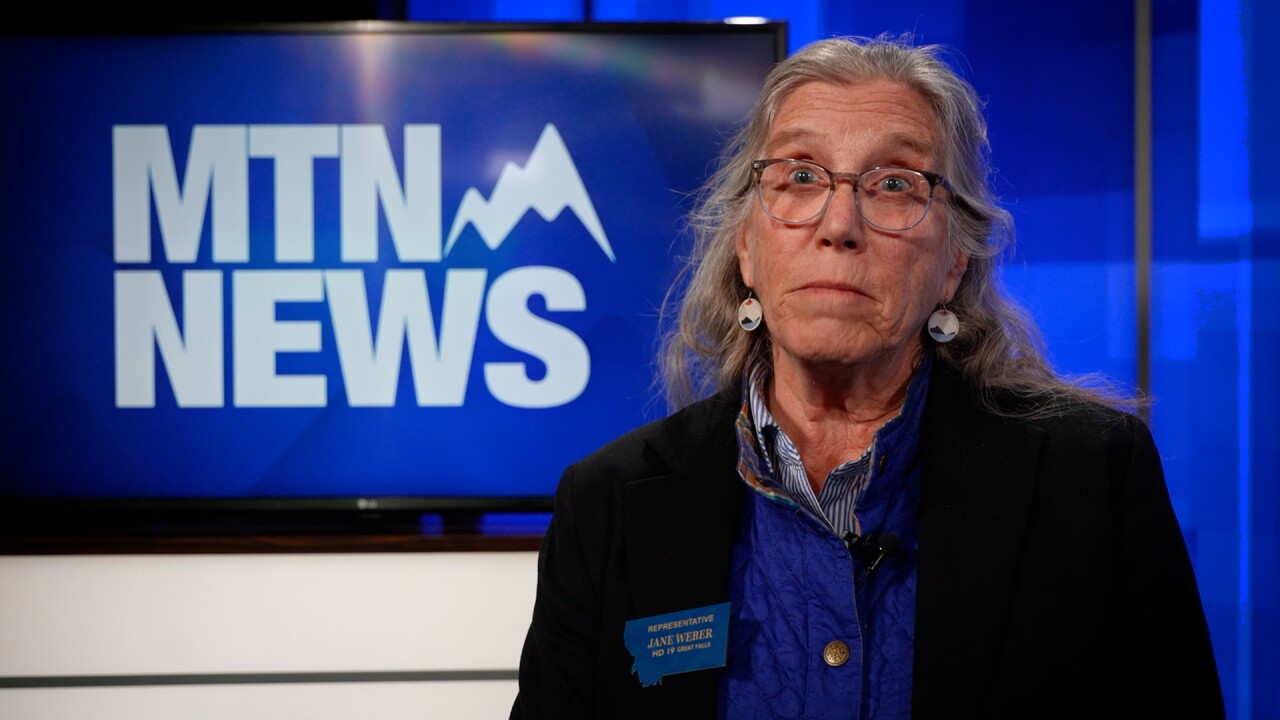
State Rep. Jane Weber of Great Falls said the earlier start date creates uncertainty, especially since final federal guidance has not yet been fully released.
“States are choosing to implement these work requirements six months before they are actually required…and there isn’t even a complete federal regulation yet,” Weber said.
A lack of clarity can make it difficult for recipients to understand what is expected of them, she said.
“People don’t even know how to comply right now…and the state still doesn’t fully understand what those requirements are going to be,” she said.
Under the new requirements, beneficiaries who don’t meet eligibility criteria could lose coverage.
This insurance also includes periodic eligibility checks, which can impact how consistently an individual can maintain coverage throughout the year.
Health care providers across Montana are also closely monitoring this development.
Benefis Health System said in a statement that Medicaid eligibility changes and premium increases could lead to an increase in uninsured patients.
Below is the full statement from Benefis CEO John Goodnow.
The impact of the Big Beautiful Bill Act on Benefis Healthcare System is putting additional financial pressure on the organization due to an increase in uninsured patients and an increase in charity care and bad debt expenses, just at a time when the organization’s finances were already under stress.
The Big Beautiful Bill Act had three major provisions that affected not only Benefis Health System, but all other hospitals in Montana and across the country.
Not renewing subsidies for people who receive health insurance coverage through marketplace plans that are part of the Affordable Care Act, which expire in early 2026. When subsidies are lost, premiums rise, sometimes dramatically, and some people simply drop their coverage and become uninsured.
New work requirements and eligibility standards for people eligible for Medicaid, especially Medicaid expansion, will reduce the number of people eligible and once again increase the number of uninsured people. These new provisions will go into effect nationwide in early 2027, but the state of Montana has applied to the federal government to implement these provisions in Montana as early as July 2026.
As the Big Beautiful Building Act was being debated in Congress, it was recognized that the two factors listed above would further strain hospital/health system finances, resulting in the creation of the Rural Health Transformation Program (RHTP), a provision for rural hospitals. Congress added $50 billion over five years to improve rural health and financially support small critical access hospitals.
Montana hospitals, particularly rural hospitals, often operate on narrow profit margins compared to larger systems, making changes in coverage levels particularly impactful.
At the federal level, lawmakers are recognizing the potential burden these changes will place on the health care system.
The provisions, known as the Rural Health Transformation Program, include $50 billion over five years to support rural hospitals and improve access to health care.
Many of Montana’s health care facilities are classified as critical access hospitals and could be affected by both policy changes and additional funding.
Weber emphasized the importance of clear and consistent communication as states move forward with implementation.
State officials say Medicaid recipients will begin receiving information about the changes ahead of the rollout in July.
As the implementation date approaches, both policymakers and health care providers say their focus will be on helping patients understand the new requirements and, if they qualify, maintain their coverage.
#Montana #introduces #Medicaid #work #requirement #ahead #federal #deadline