
Cryotherapy is being used everywhere these days, from wellness spas to sports recovery programs. Now introduced in hair salons, it promises smoother, shinier, and healthier-looking hair.
But can subzero temperatures really encourage new hair growth, improve thickness, reduce frizz, and increase shine? We asked experts to set the record straight about ice-cold therapy as it relates to hair improvement.
What is hair cryotherapy?
Although it began as a therapeutic and medical treatment, it has since become popular in the sports and wellness world for its ability to reduce inflammation, relieve chronic pain, improve circulation, and boost metabolism. Although it is a controlled medical procedure, it is not designed for hair removal. In fact, the extreme cold applied to the scalp by a high-intensity cryotherapy device can cause damage such as blistering and scarring.
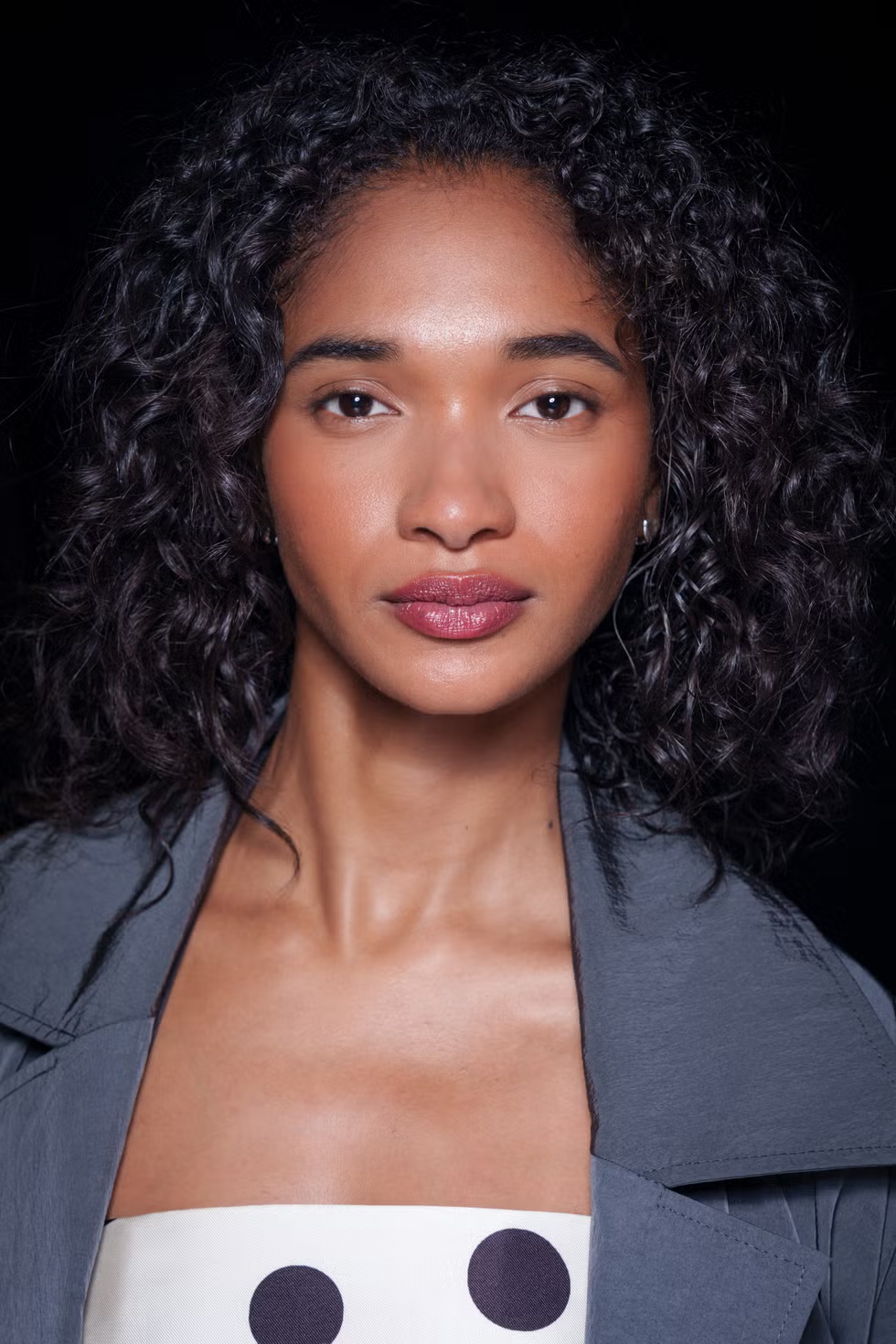
How does hair cryotherapy work?
Fortunately, cryotherapy has been adapted for use in salon treatments and is designed to improve the appearance of your hair rather than treating a specific medical condition. And it’s important to know what cryotherapy is for targeted hair, especially when you consider how common hair loss is, which affects about 85 percent of men and 35 percent of women throughout their lives, and why so many people are drawn to new solutions.
Although the use of cryotherapy for hair cosmetic purposes is gradually increasing, the idea that hair can be regrown with cryotherapy is largely unproven. Most research has focused on alopecia areata, an autoimmune disease that causes patchy hair loss, but the evidence is limited and inconclusive. Cryotherapy is not recommended as a first-line treatment for hair loss as there is not enough data to support it as a reliable solution.
There is one established medical use of cold in hair care. Scalp cooling, used with cryotherapy caps, is commonly performed during chemotherapy to reduce blood flow to the scalp and limit the amount of drug reaching the hair follicles. This significantly reduces hair loss and, in some cases, supports faster subsequent regrowth. It is important to note that this treatment must always be performed by a medical professional as part of a broader treatment plan.
Although there are currently no cases of cryotherapy in scalp and hair growth, modern salon treatments require a more cosmetic approach. Haug London Haus debuts Hair.TOXX, the world’s first professional cryotherapy treatment designed specifically for hair and scalp. After applying a nourishing mask or serum, your stylist slides on a cooling plate that acts as a cryotherapy system for your hair using temperatures as low as 3 degrees Fahrenheit, sealing in active ingredients like botanical extracts and hyaluronic acid to smooth the cuticle and enhance shine. The result is improved texture and shine, but it’s not intended to irritate the scalp or induce hair growth, says Sharon Wong, a dermatologist and director of the Trichologist Institute.
“Treatment is really about locking in the benefits of a product,” says Siobhan Haug, co-founder of Haug London House. “It’s a cryotherapy that locks everything into the hair without using heat, giving it instant shine, smoothness and strength. Clients are often surprised to see frost on the plates, but it’s completely safe and doesn’t change the natural texture of the hair, it just strengthens it.”
Importantly, this treatment works not only on the hair follicle, but also on the hair fiber. The ingredients in the formula add body and support overall hair health, but they do not directly stimulate growth or prevent hair loss. “We’re not claiming to regrow hair,” Haug explains. “What we can do is improve the condition of both the hair and the scalp so that the hair looks fuller, healthier and more bouncy.”
That said, these treatments can still play an adjunctive role. These cryotherapy hair treatments contribute to a healthy overall hair environment by improving scalp comfort, balancing oil levels, and strengthening the hair shaft. It is also particularly appealing to those who suffer from dryness, breakage, color damage, or sensitivity.
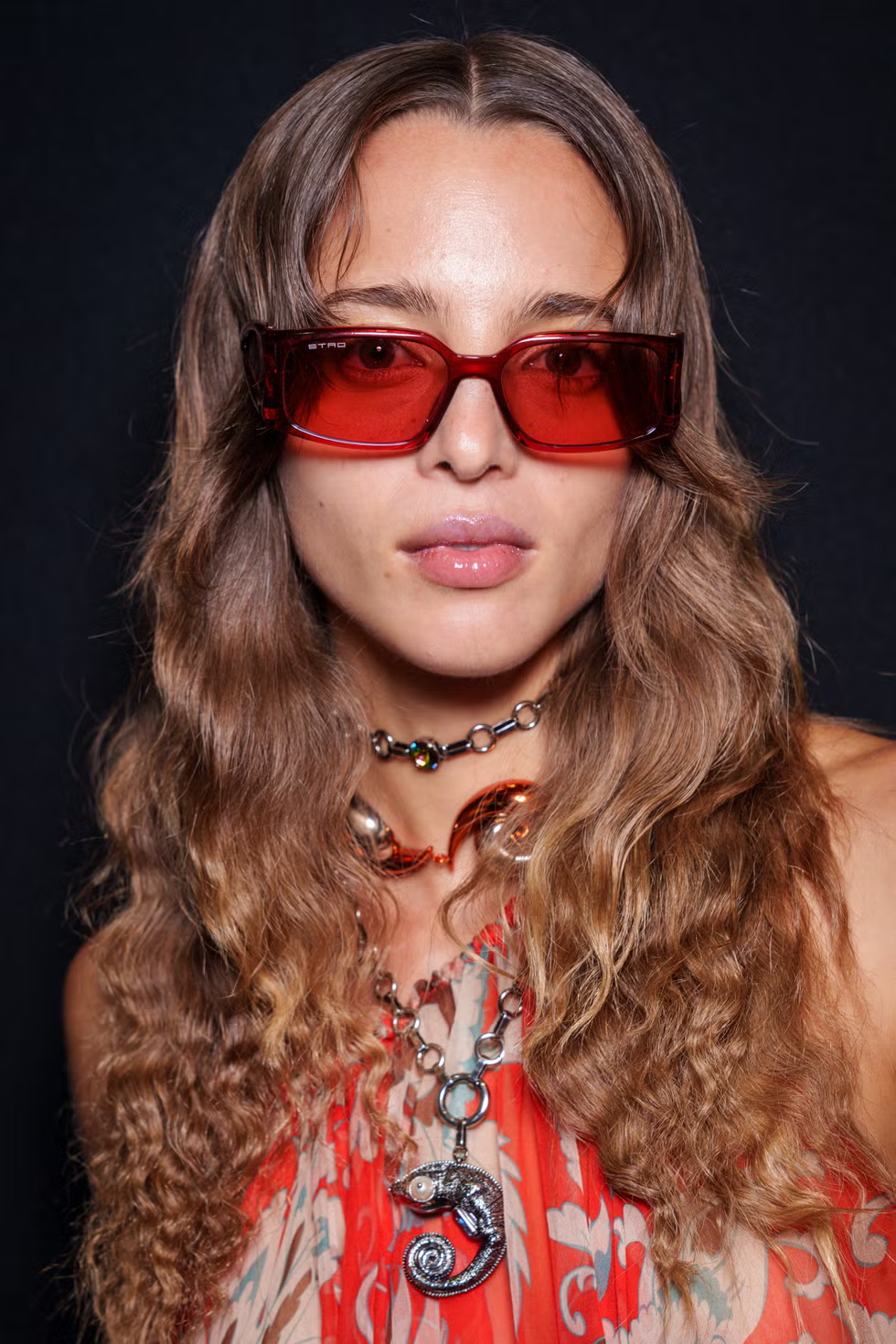
What are the risks?
Cosmetic cryotherapy treatments are generally safe when performed correctly, but their effectiveness is superficial. The greater risk lies in misunderstanding what they can achieve. Inappropriate application of extreme cold, especially by non-professionals or in medical settings, can do more harm than good to your scalp.
As it turns out, cryotherapy is the perfect treatment for finishing touches. Enhances shine, locks in care ingredients, and improves the look and feel of your hair. However, when it comes to hair loss and hair growth, the most effective method still lies in a comprehensive assessment of professional diagnosis, medically supported treatment, and external factors.
#cryotherapy #secret #fuller #thicker #hair