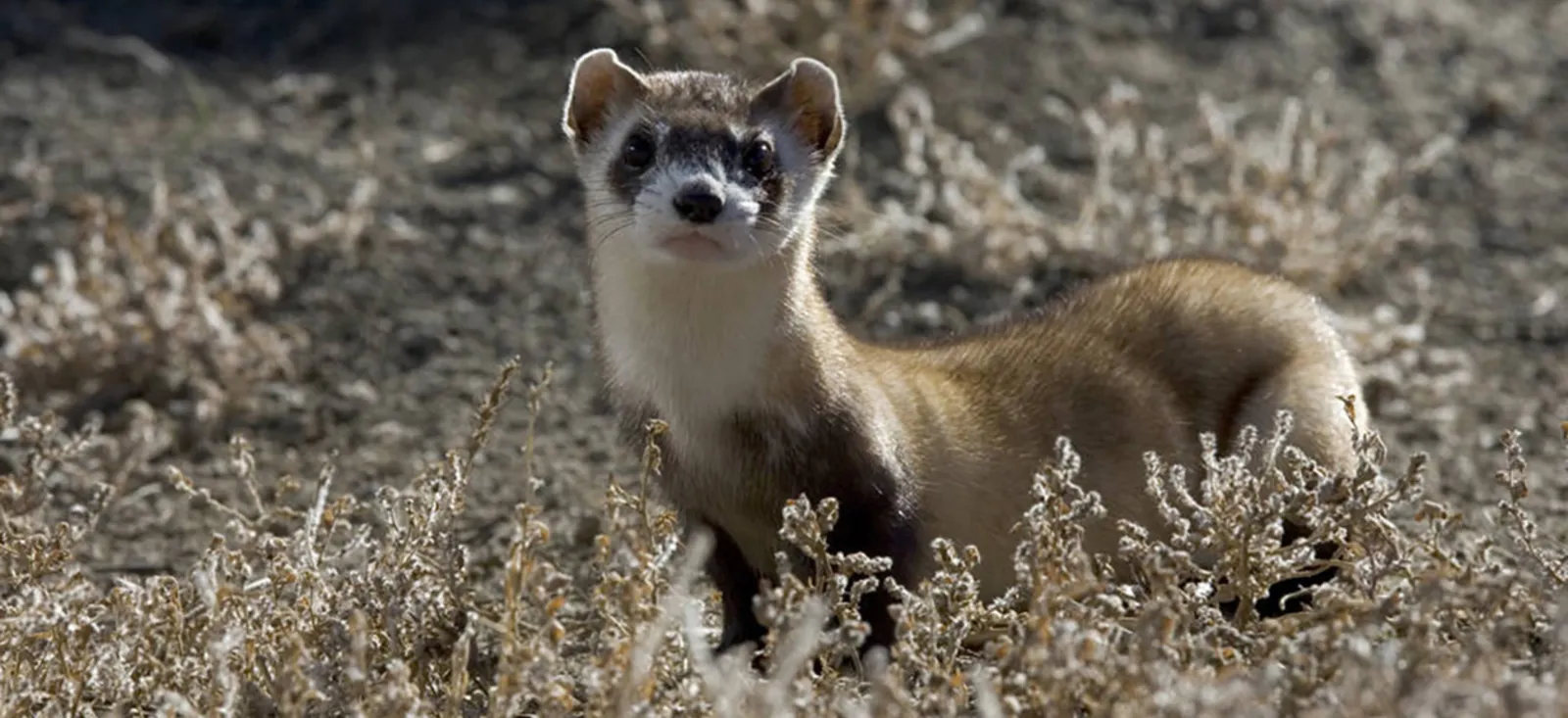
Arizona wildlife officials have released 19 endangered black-footed ferrets in northern Arizona, a major step in efforts to reintroduce one of America’s rarest predators to the wild.
The Arizona Game and Fish Department (AZGFD) conducted stockings at three locations on March 10 with the goal of strengthening fragile populations of species once thought to be extinct. Thirteen ferrets were released in the Aubrey Valley and Double O Ranch areas near Seligman, and another six were released in the Garland Grasslands near Parks, Arizona. The effort brought together a wide range of partners, including the U.S. Fish and Wildlife Service, U.S. Forest Service, Arizona Department of Lands, Habitat Harmony, Phoenix Zoo, and Navajo Nation, all of whom participated in or contributed to the stocking effort. Jessica Manuel, who was recently sworn in as Game and Fish Commissioner, was also in attendance.
Despite its release, the chances of people encountering this small predator are extremely low.
“The black-footed ferret is one of North America’s most endangered mammals, and encounters in the wild are extremely rare. If you see one, we recommend you keep your distance to avoid stressing the animal,” said an AZGFD spokesperson. newsweek. “The department will continue to monitor active populations in the state and use the data collected on these populations to determine when and where further releases are appropriate.”
The animals originated from captive breeding programs at the Toronto Zoo and the Smithsonian’s National Zoo and were transported to the U.S. Fish and Wildlife Service’s Black-Footed Ferret Conservation Center in Colorado. There, the ferrets learned survival skills such as hunting before being released.
The black-footed ferret is a small, slender member of the mustelid family. They typically measure 19 to 24 inches in length, including a 5 to 6 inch tail, and typically weigh 1.4 to 2.5 pounds. Despite their small size, mammals are still considered predators. They rely almost entirely on prairie dogs for prey.
“Returning natural predators like the black-footed ferret to the environment is part of the natural order, and being part of it is important work,” said Holly Hicks, small mammal program coordinator for the Arizona Department of Game and Fish, in a press release about the ferret.
AZGFD shared several photos of the release in an X post on Tuesday.
The black-footed ferret is North America’s only native ferret and is easily identified by the black markings on its legs, tail, and mask-like facial markings. Once found throughout the West, they experienced a devastating decline in the 20th century due to habitat loss and disease, especially the collapse of prairie dog colonies, their primary prey and source of burrow habitat.
This species was thought to be extinct until a small surviving population was discovered in rural Wyoming in the early 1980s. By 1986, only 18 remained. Wildlife officials captured them and began an intensive captive breeding and reintroduction program that has since become one of the country’s most successful endangered species recovery efforts. Currently, approximately 300 black-footed ferrets live in the wild across the country. After the new release, there are now about 20 wild individuals living in Arizona.
State biologists will continue to monitor newly released ferrets through spotlight surveys and trapping efforts to track their chances of survival and reproduction. Spring marks both breeding season and prairie dog re-emergence season, so officials hope the timing will increase the chances of ferrets establishing new wild-born pups this year.
In an era of polarization, the middle ground is dismissed as bland. in newsweekours is different: a courageous center—it’s not “both sides,” but sharp, challenging, and full of ideas. We follow facts, not factions. If it sounds like you want that kind of journalism to thrive, we need you.
As a Newsweek member, you support our mission to keep the Center strong and vibrant. Members enjoy ad-free browsing, exclusive content, and editorial conversations. Help us maintain the Center’s courage. Join us now.


#Endangered #predator #released