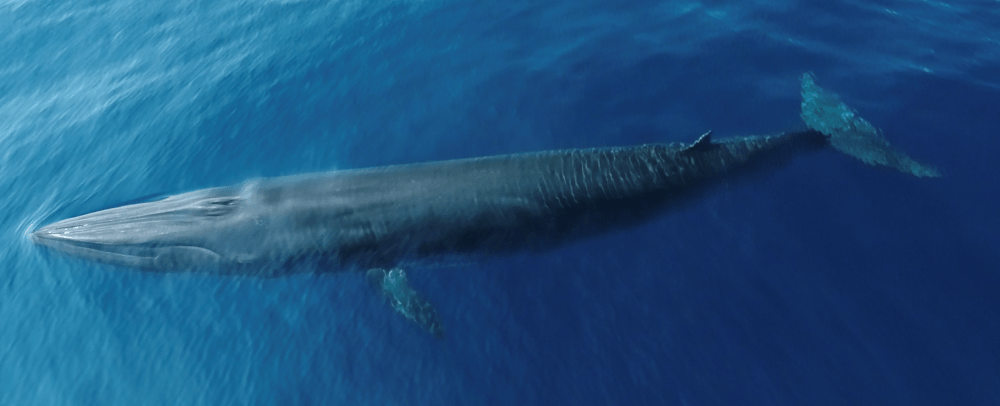
The warm waters of the Gulf of Mexico are home to rice whales, one of the world’s rarest and most elusive marine mammals. According to the latest scientific estimates, only 51 of them remain, meaning they are literally on the verge of extinction.
That’s why in 2019, the federal government (then under President Donald Trump’s first term) gave these slender marine mammals a lifeline. We listed them as endangered under the Endangered Species Act, the most powerful wildlife protection law in the country and one of the most powerful in the world.
The law makes it illegal to kill or harm animals, with some exceptions. It also requires federal agencies, including those that approve oil and gas leases, to ensure that their actions do not threaten the survival of ESA-protected species. This was key for rice whales because the main threats they face are from the oil and gas industry in the Gulf: ship strikes, noise from exploration, and spills.
Environmental groups said when the whales were listed that protection under federal law gave them a chance for survival. But the new Trump administration has demonstrated a frightening ability to water down or completely circumvent the law’s protections for species, especially for animals that live in areas rich with the oil and gas industry.
That will be our topic this week. On Tuesday, several Trump officials convened a rarely-assembled committee known as the God Squad. The commission, headed by the Secretary of the Interior, has the power to override the Endangered Species Act and approve actions that could potentially drive species to extinction. Congress established the commission in 1978, shortly after the ESA was enacted, to prepare for rare cases in which compliance with endangered species protections would threaten the U.S. economy or national security. This is essentially a loophole in the law, which has only been invoked a few times.
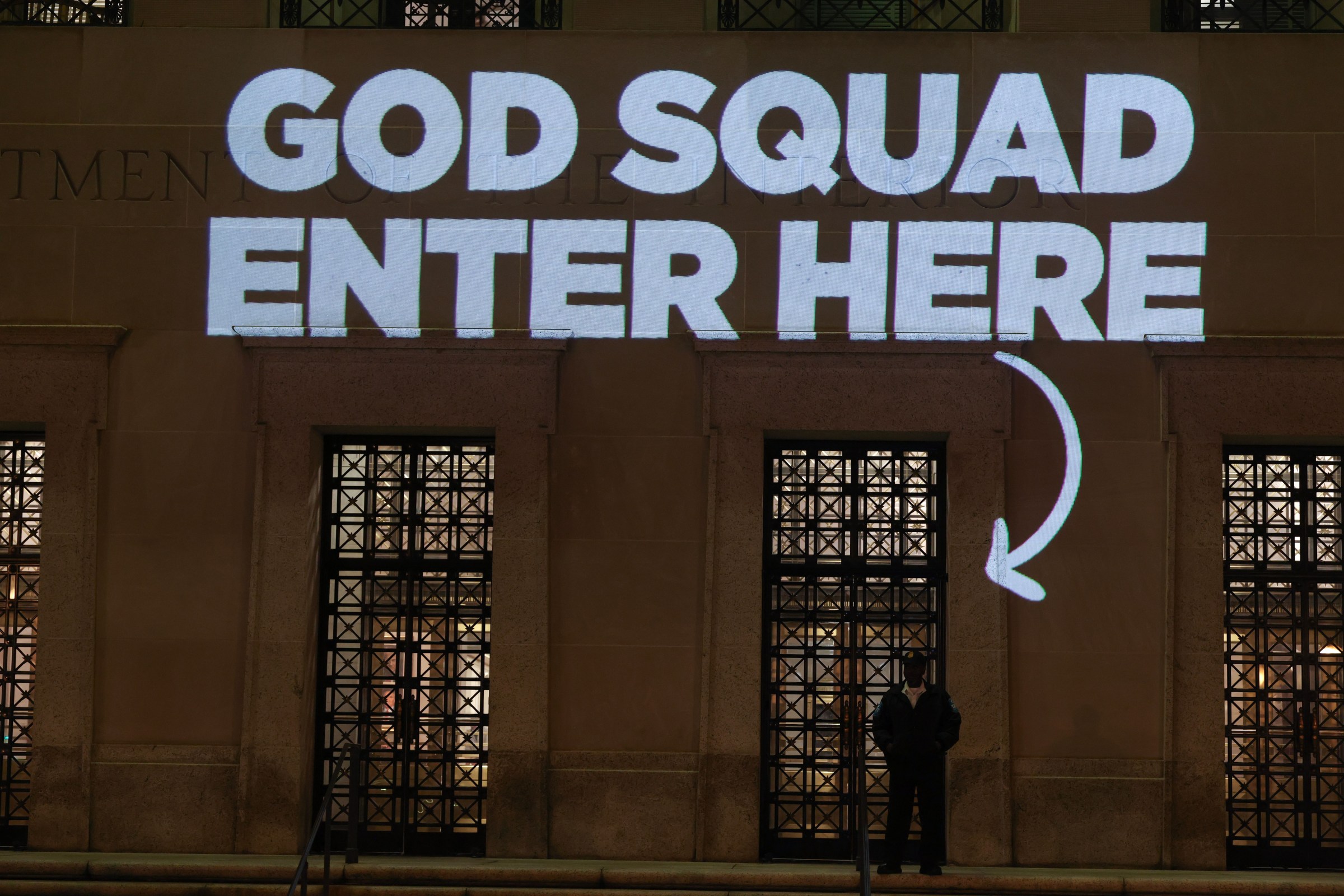
At Tuesday’s meeting, Defense Secretary Pete Hegseth, the highest-ranking official in attendance, said ESA protections for Gulf animals such as rice whales could limit oil production. He said the Gulf produces about 15% of the country’s oil, which powers the military and helps protect the United States. “Exemptions from the Endangered Species Act in the Gulf are not just a good idea, they are an important national security issue,” Hegseth told the panel.
The meeting lasted only about 15 minutes, and the panel unanimously voted to exclude oil and gas activities in the Gulf from ESA protection. It was the first time the “God’s Squad,” formerly known as the Endangered Species Commission, had granted an exemption on national security grounds.

What Hegseth didn’t say is that the ESA’s regulations for rice whales and other species do not prohibit oil and gas drilling, but only require companies to take steps to avoid harm to the whales, such as minimizing ship traffic in their core habitat. (There was also no discussion of the administration’s role in disrupting oil flows due to the Iran war.)
Meanwhile, Interior Secretary Doug Burgum said efforts to shut down energy production in the Gulf region (also not required by law) are shifting fossil fuel production to countries that don’t produce energy as cleanly and safely as the United States. But Burgum’s Interior Ministry has sidelined clean energy projects in favor of dirtier fuels such as oil and coal. Memories of BP’s Deepwater Horizon oil spill are still fresh. Spitting 134 million gallons of oil into the Gulf, creating a true national emergency. Not to mention, rice whales declined by an estimated 22% after the disaster.
“What happened today is a warrant of extinction for endangered species in the Gulf, signed by political appointees on behalf of some of the wealthiest corporations on earth,” Andrew Wetzler, senior vice president for nature at the Natural Resources Defense Council, an advocacy group, said in a statement. “‘God Squad’ was designed for impossible, intractable conflicts where there is no other way forward. This is not that.”
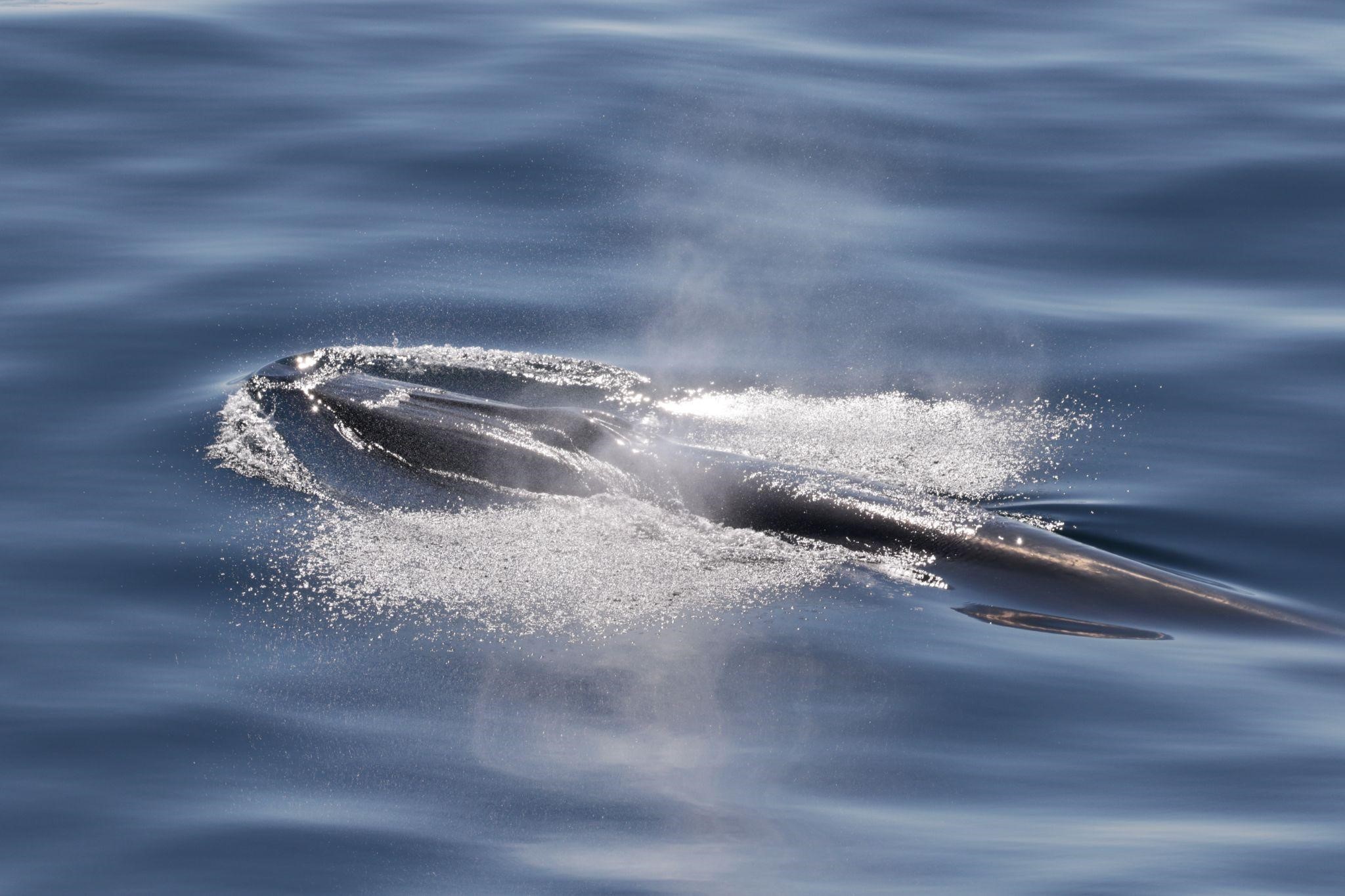
The school bus-length Rice whale (named after the late whale scientist Dale W. Rice) lives only in the Gulf of Mexico and is not found anywhere else. Despite being very large and charismatic animals, scientists don’t know much about them. In fact, researchers only recently identified the rice whale as a new species.
Ultimately, the God Squad exemption could stall in court — “we will overturn it,” the Center for Biological Diversity, a litigation advocacy group, said in a statement. Until then, these whales will continue to struggle to maintain their very existence.
#whales #extinct #blame